Diagnostics Innovation Biotech Environment Testing Research Diagnostics Innovation Biotech
Aesthetic medicine consultation and treatment services

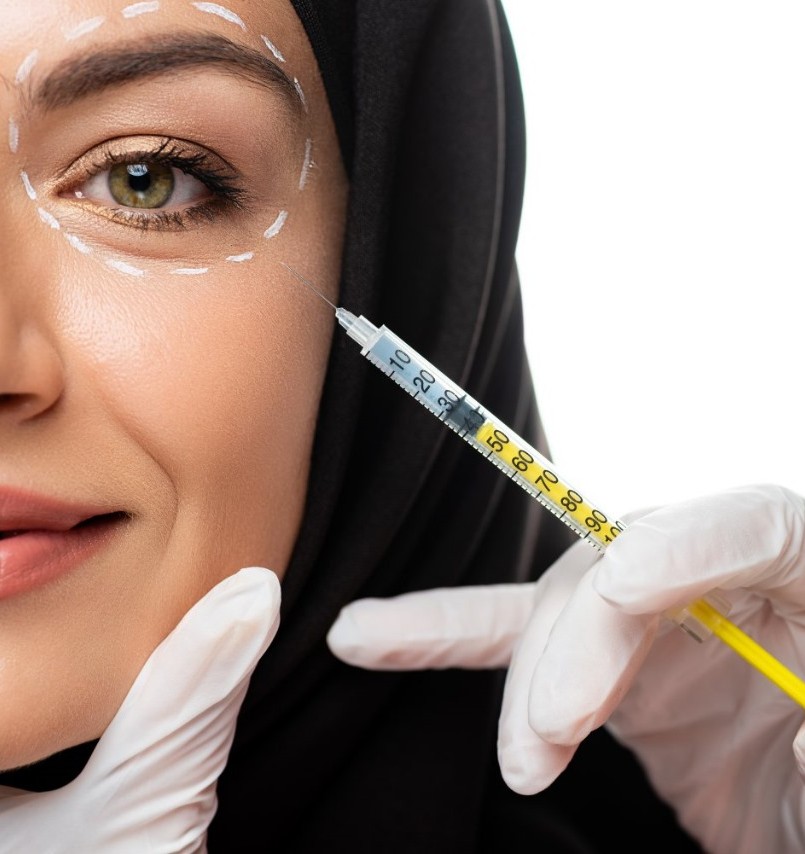
Ariba & Mac’s Aesthetic Division provides aesthetic medicine services in Saudi Arabia focused on individualized facial assessment, conservative treatment planning and structured follow-up. Services include injectable treatments, facial contouring, PRP/biostimulation approaches, anti-ageing programs and selected device-based treatments according to clinical suitability. For broader skin, pigmentation, hair and laser concerns, see our Cosmetology services.

Aesthetic treatment is not simply a choice between Botox, filler or a device. Facial anatomy, skin quality, previous procedures, medical history, product selection, dose, treatment sequence and the patient’s expectations all affect safety and the final appearance. We begin with assessment and prioritization before recommending a single treatment or combination plan.

For patients in Saudi Arabia, treatment planning should use products, devices and clinical practices appropriate to the local regulatory and medical setting. The goal is to make the decision process clear: what concern is being treated, why a procedure is appropriate, what it can realistically change, what recovery may involve and when results should be reviewed.

Aesthetic Medicine Treatments & Consultation in Saudi Arabia

Treatment plans are designed around facial anatomy, skin quality, the patient’s priorities and the balance between visible improvement, natural expression, downtime and procedural risk.

  • Facial assessment and anti-ageing planning for lines, volume change, skin quality and overall facial balance.
  • Neuromodulator and dermal-filler treatment planning, including conservative dosing and staged treatment where appropriate.
  • PRP and biostimulation approaches for selected skin-quality or rejuvenation goals after assessment of suitability and alternatives.
  • Non-surgical facial contouring plans for areas such as the chin, jawline, lips or nose when clinically appropriate.
  • Combination planning that may integrate injectables, skincare and selected energy-based treatments in a safe sequence.
  • Pre-treatment counselling, consent, photography, aftercare instructions and review of expected downtime and warning signs.
  • Follow-up assessment to compare outcome with the treatment objective and decide whether maintenance, adjustment or no further treatment is appropriate.

Injectables & Biostimulation

Use anatomy-led planning to determine whether neuromodulators, dermal fillers, PRP or other biostimulation approaches are appropriate for the patient’s specific concern.

Facial Contouring & Proportion

Assess the face as a whole before treating individual features so contouring decisions support balance rather than over-correction of one area.

Safety, Consent & Natural Results

Discuss realistic benefits, limitations, product or procedure risks, alternatives and aftercare, with conservative treatment and staged review when appropriate.

Aesthetic Medicine Consultation, Treatment Planning & Review Process

The process is designed to reduce impulsive treatment decisions and make the rationale, sequence and follow-up clear before a procedure is performed.

  • Review facial anatomy, skin quality, treatment history, relevant medical factors and the specific change the patient is seeking before selecting a product or procedure.
  • Use staged treatment and follow-up where appropriate so outcome, symmetry, tolerance and the need for additional intervention can be assessed before adding more treatment.

1. Consultation & Treatment Priorities

Discuss concerns and expectations, assess anatomy and skin quality, review previous procedures and contraindications, and agree which treatment—if any—best matches the priority.

2. Procedure, Aftercare & Review

Perform the agreed treatment using the planned technique, provide clear aftercare and warning signs, then review the outcome at the appropriate interval before recommending maintenance or additional treatment.

Conservative, Assessment-Led Aesthetic Medicine Approach

Trust in aesthetic medicine depends on appropriate patient selection and transparent expectations. We emphasize treatment rationale, anatomy, safety, documentation and review rather than promoting the maximum number of procedures.

Anatomy-Led Planning

Facial structure, movement, proportion and previous treatment are considered before choosing injection sites, products or treatment combinations.

Combination Therapy with Sequence

When more than one treatment is appropriate, the order and timing are planned to reduce unnecessary overlap and allow response to be assessed between stages.

Patient Safety & Aftercare

Consent, sterile technique, emergency preparedness, procedure-specific aftercare and clear escalation instructions are part of the treatment pathway.

Aesthetic Medicine Outcomes Require Realistic Expectations

Individual outcomes vary and every procedure carries potential side effects or complications. The treatment decision should follow a clinician’s assessment and informed consent. This page provides general service information and is not individual medical advice.

Authoritative Regulatory, Government & Academic Resources

For current official requirements, standards and sector guidance, consult the relevant authority directly. These independent external resources are provided for reference and do not imply affiliation or replace project-specific regulatory, legal or clinical advice.

FAQs About Aesthetic Medicine in Saudi Arabia

The choice depends on what is causing the concern. Dynamic lines, volume loss, skin-quality changes and structural proportion are different problems and may require different approaches. A facial assessment should come before product selection.

Natural-looking treatment is a planning goal rather than a guarantee. Conservative dosing, facial-proportion assessment, staged treatment and review can help reduce the risk of over-correction.

Suitability depends on the procedure and individual medical context. Pregnancy, active infection, certain medications, previous complications or other health factors may change the plan, so a clinician should review relevant history before treatment.

Downtime varies by procedure, area and individual response. Injectables may cause temporary swelling or bruising, while some device treatments require a longer recovery. The expected course should be explained before treatment.

Yes, when clinically appropriate. Combination plans should have a clear rationale and sequence so the effect of each treatment can be assessed and safety or recovery requirements do not conflict.

Maintenance depends on the treatment used, area, individual response and personal preference. Follow-up should be based on the return of the original concern and clinical assessment rather than a fixed schedule for everyone.